Practicing yoga poses is one of the most effective ways to improve both physical health and mental clarity. Unlike intense workouts, yoga focuses on Yoga is a time-tested practice that blends physical movement, breath control, and mindfulness. Practicing the right yoga poses helps the body become stronger, more flexible, and better balanced while calming the mind. Unlike intense workouts, yoga focuses on controlled motion and awareness, making it suitable for people of all ages and fitness levels.
This guide explains how different yoga postures support overall health and how to practice them safely as part of a daily routine.
Why Yoga Poses Is More Than Just Exercise
Yoga works on both the body and the mind. Each posture is designed to improve how you move, breathe, and feel.
Key benefits include:
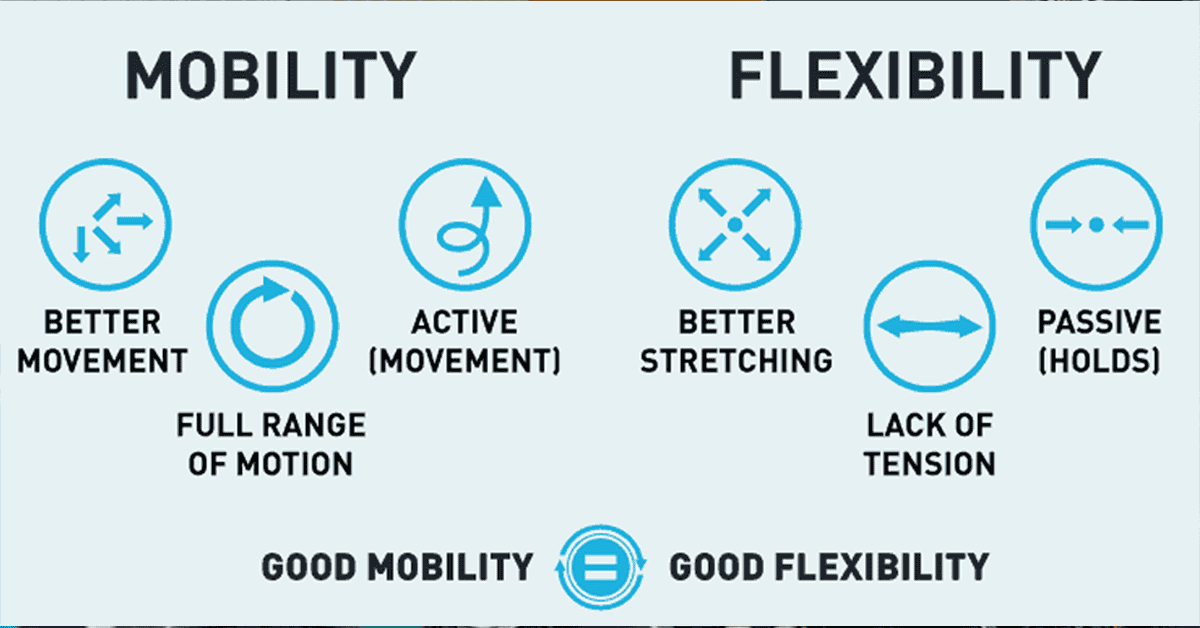
- Improved mobility and flexibility
- Increased muscle control and stability
- Better posture and spinal health
- Reduced stress and mental tension
- Enhanced focus and breathing efficiency
With regular practice, yoga becomes a lifestyle tool rather than just a workout.
Foundational Yoga Poses for Beginners
Starting with basic movements allows the body to adapt gradually and build confidence.
Mountain Pose (Tadasana)
This standing posture teaches correct alignment and body awareness.
Benefits:
- Encourages proper posture
- Strengthens legs and core
- Improves balance and breathing
Standing tall with steady breathing sets the tone for the rest of your practice.
Downward Facing Dog (Adho Mukha Svanasana)
A full-body stretch commonly used in many yoga routines.
Why it’s effective:
- Lengthens hamstrings and spine
- Builds upper-body strength
- Relieves back stiffness
Keep the spine long and knees slightly bent if needed.
Strength-Focused Yoga Poses
Some yoga postures challenge the muscles and improve endurance using body weight alone.
Warrior II (Virabhadrasana II)
A strong standing position that improves stamina and mental focus.
Main advantages:
- Strengthens legs and hips
- Enhances stability and balance
- Builds confidence and concentration
Maintain an open chest and steady gaze.
Plank Pose (Phalakasana)
A powerful posture for total-body strength.
Targets:
- Core muscles
- Shoulders and arms
- Lower back support
Engage your abdomen and avoid dropping the hips.
Yoga Poses Practices That Improve Flexibility
Flexibility-focused movements help reduce stiffness caused by long sitting hours.
Seated Forward Bend (Paschimottanasana)
This posture stretches the back side of the body.
Benefits include:
- Improved spinal mobility
- Calming effect on the nervous system
- Reduced lower-back tightness
Move slowly and respect your limits.
Butterfly Pose (Baddha Konasana)
A gentle hip-opening posture.
Helpful for:
- Increasing hip flexibility
- Supporting digestive comfort
- Relaxing the pelvic area
This pose is especially beneficial after a long day.
Relaxing Yoga Poses for Stress Relief
Restorative movements allow the body and mind to recover.
Child’s Pose (Balasana)
A resting posture often used between active movements.
Benefits:
- Relieves mental fatigue
- Gently stretches hips and spine
- Promotes deep breathing
Stay in this position whenever you feel tired.
Corpse Pose (Savasana)
This final relaxation posture helps absorb the benefits of practice.
Key effects:
- Encourages complete relaxation
- Reduces stress and anxiety
- Improves mind-body awareness
Remain still and focus on slow, natural breaths.
Safety Tips for Yoga Poses Practice
Practicing mindfully ensures long-term progress and prevents injury.
Important guidelines:
- Warm up before starting
- Never force a stretch
- Maintain controlled breathing
- Use props when necessary
- Practice consistently, not aggressively
Listening to your body is essential for safe improvement.
Creating a Balanced Yoga Routine
A complete routine includes different movement types for overall wellness.
Aim to include:
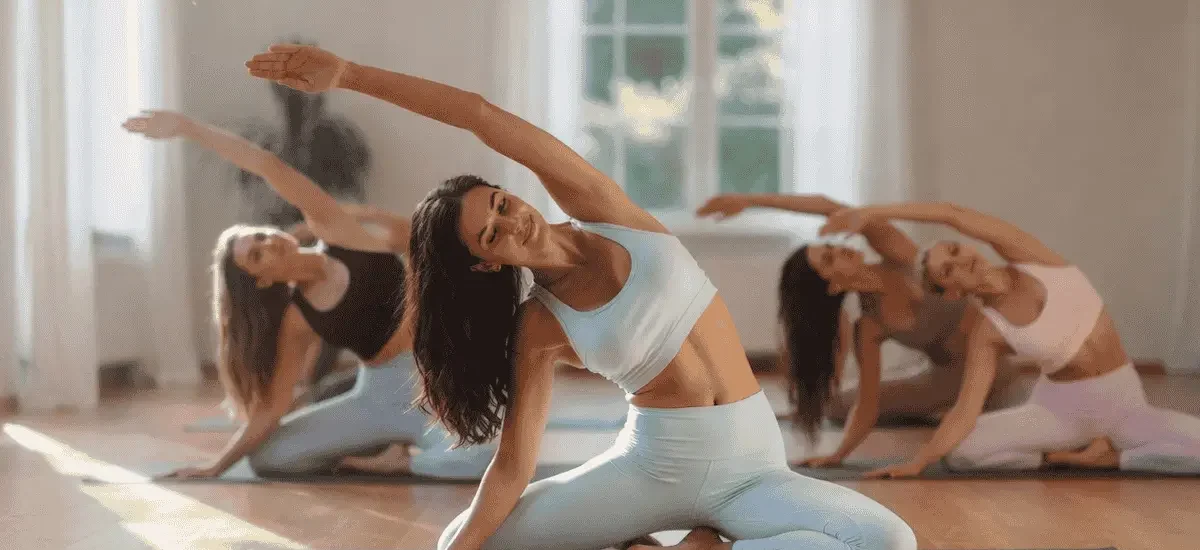
- Standing postures for strength
- Seated movements for flexibility
- Balance work for stability
- Relaxation for recovery
Even 20–30 minutes a day can make a noticeable difference.
Final Thoughts
Practicing yoga poses regularly helps build a strong, flexible body and a calm, focused mind. Each posture plays a role in improving movement, reducing stress, and supporting long-term health. When practiced with patience and awareness, yoga becomes a sustainable path toward physical and mental well-being.