
When it comes to building an impressive upper body, focusing on shoulder exercise is essential. Strong shoulders not only enhance your physique but Building impressive shoulders requires more than randomly lifting weights. A structured shoulder exercise plan helps improve strength, posture, muscle balance, and overall upper-body performance. Well-developed deltoids not only enhance your physique but also support pressing, pulling, and athletic movements.
In this guide, you’ll learn the best movements, training structure, common mistakes, recovery tips, and a balanced routine to maximize results while keeping your joints healthy.
Understanding Your Shoulder Muscles
consist primarily of three deltoid heads:
- Front deltoid (anterior)
- Side deltoid (lateral)
- Rear deltoid (posterior)
A smart training routine should target all three areas. Many people overtrain the front delts through pressing movements while neglecting the rear delts, leading to imbalance and poor posture.
Balanced development improves:
- Upper-body symmetry
- Joint stability
- Strength in compound lifts
- Injury prevention
Best Shoulder Exercise for Building Strong Shoulders
Below are highly effective exercises that develop size, strength, and stability.
1. Overhead Press
The overhead press is a foundational movement for upper-body power. It primarily works the front and side delts while engaging the triceps and upper chest.
How to perform:
- Stand with feet shoulder-width apart.
- Hold dumbbells or a barbell at shoulder height.
- Press the weight overhead.
- Lower slowly under control.
This compound movement should form the base of most training programs.
2. Lateral Raises
If your goal is wider shoulders, lateral raises are essential. They isolate the side delts and create that capped appearance.
Tips for better results:
- Use moderate weight.
- Keep a slight bend in your elbows.
- Lift only to shoulder height.
- Control the lowering phase.
Slow, controlled reps produce better muscle engagement than heavy swinging.
3. Rear Delt Fly
Rear delts are often undertrained. Strengthening them improves posture and shoulder balance.
Execution steps:
- Hinge slightly at the hips.
- Hold dumbbells below your chest.
- Lift arms outward.
- Squeeze shoulder blades together.
Strong rear delts reduce the risk of shoulder discomfort and rounding of the upper back.
4. Arnold Press
This variation increases time under tension and activates all three deltoid heads.
- Start with palms facing your chest.
- Rotate as you press upward.
- Reverse the motion slowly.
The rotation component enhances muscle recruitment.
5. Upright Rows
This movement targets the side delts and traps.
Key form tips:
- Keep the bar close to your body.
- Pull up to chest level.
- Avoid lifting elbows too high.
Controlled technique prevents strain.
Sample Weekly Shoulder Exercise Plan
Here’s a structured routine you can follow:
Beginner Routine (2 times per week)
- Overhead Press – 3 × 10
- Lateral Raises – 3 × 12
- Rear Delt Fly – 3 × 12
- Front Raises – 3 × 10
Intermediate Routine (2–3 times weekly)
- Barbell Press – 4 × 8
- Arnold Press – 3 × 10
- Lateral Raises – 4 × 12
- Rear Delt Fly – 3 × 15
- Upright Rows – 3 × 10
Rest 60–90 seconds between sets.
Shoulder Exercise Training Tips for Better Results
To maximize progress:
1. Prioritize Proper Form
Avoid ego lifting. Controlled movement ensures better activation and lowers injury risk.
2. Warm Up Thoroughly
Include arm circles, resistance band pulls, and light pressing before heavy sets.
3. Don’t Ignore Rear Delts
Balanced training prevents muscle imbalances.
4. Progress Gradually
Increase weight or reps slowly each week.
5. Allow Recovery
Train shoulders 1–2 times weekly depending on your split.
Common Mistakes to Avoid While Shoulder Exercise
Many lifters stall progress due to simple errors:
- Using excessive weight
- Swinging during lateral raises
- Skipping warm-ups
- Overtraining
- Ignoring posture
Correcting these habits can dramatically improve muscle development.
Can You Train Shoulder Exercise at Home?
Yes, effective workouts are possible without heavy gym equipment.
At-home options include:
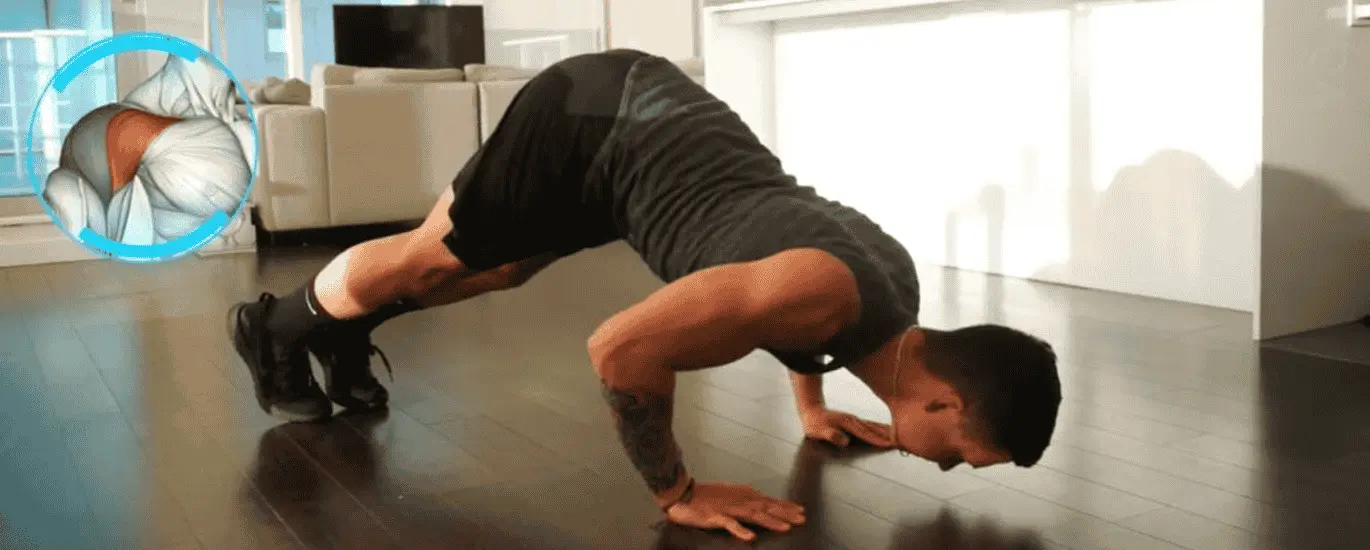
- Pike push-ups
- Resistance band raises
- Backpack presses
- Wall-supported handstands
- Bodyweight shoulder taps
Consistency matters more than equipment. Progressive overload can still be achieved using tempo control and higher reps.
Nutrition and Recovery for Growth
Training is only half the equation. Muscle growth depends on:
- Adequate protein intake (1.6–2.2g per kg bodyweight)
- Proper hydration
- 7–9 hours of sleep
- Stretching and mobility work
Recovery supports strength gains and joint health.
How Often Should You Do Shoulder Exercise?
General recommendations:
- Beginners: Twice weekly
- Intermediate: Two focused sessions
- Advanced: Based on split program
Always allow at least 48 hours between intense sessions targeting the same muscle group.
Final Thoughts Over Shoulder Exercise
A well-designed shoulder exercise strategy builds strength, stability, and definition. By targeting all three deltoid heads, maintaining good form, and progressing gradually, you can develop balanced and powerful shoulders.
Stay consistent, focus on recovery, and structure your workouts intelligently. With proper planning and discipline, noticeable improvements in size and strength will follow.