Protein is one of the most essential nutrients required for muscle growth, tissue repair, hormone production, and overall body function. For people following a non-vegetarian diet, meeting daily protein requirements becomes easier due to the availability of high-quality animal protein sources. This article explores the best protein rich foods from non-veg sources, their benefits, nutritional value, and how to include them effectively in your daily meals.
Whether your goal is muscle building, fat loss, or improving immunity, adding the right protein rich foods to your diet can make a huge difference.
Why Protein Rich Foods Is Important for the Human Body
Protein plays a vital role in nearly every biological process. Unlike carbohydrates and fats, protein directly supports muscle structure and strength.
Key benefits of protein rich foods:
- Builds and repairs muscles
- Improves metabolism and fat burning
- Supports immune system
- Maintains healthy skin, hair, and nails
- Keeps you full for longer (satiety)
Animal-based protein sources are considered complete proteins because they contain all essential amino acids required by the body.
Daily Protein Requirement
The protein requirement depends on lifestyle and activity level:
- Sedentary individuals: 0.8 g per kg body weight
- Active individuals: 1.2–1.6 g per kg
- Athletes & bodybuilders: 1.6–2.2 g per kg
Meeting these needs is easier with non-veg protein rich foods due to their high bioavailability.
Best Protein Rich Foods (Non-Veg Only)
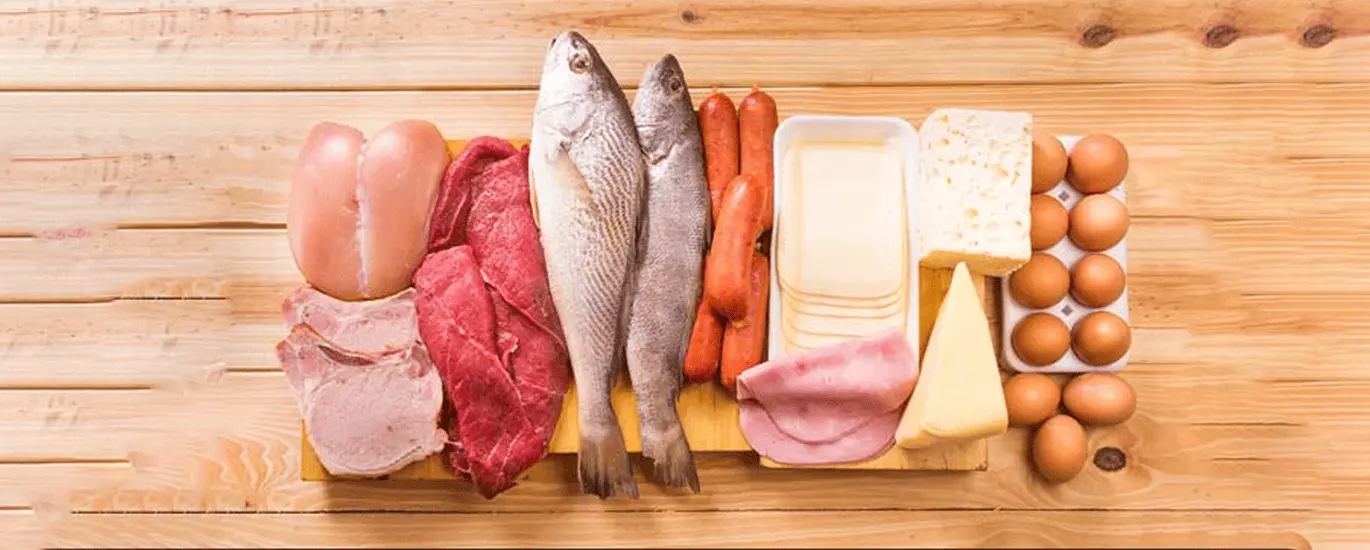
Below are the top non-vegetarian protein rich foods that should be part of a balanced diet.
1. Eggs – The Perfect Protein Source
Eggs are often called a complete protein powerhouse.
Nutritional highlights (1 large egg):
- Protein: ~6–7 g
- Rich in Vitamin B12, Vitamin D, choline, and healthy fats
Benefits:
- Supports muscle growth
- Improves brain function
- Affordable and easy to cook
Best ways to eat: boiled eggs, omelette, scrambled eggs
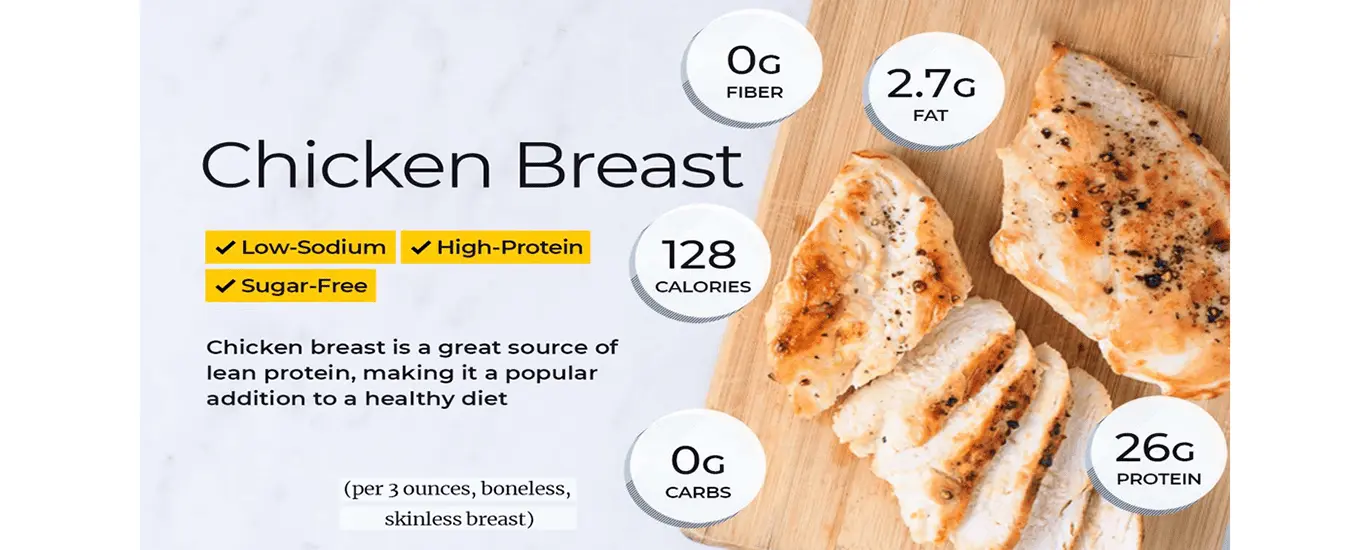
2. Chicken Breast – Lean & High in Protein
Chicken breast is one of the most popular protein rich foods among fitness enthusiasts.
Protein content:
- 31 g protein per 100 g
Why chicken breast is ideal:
- Low in fat
- High in lean protein
- Helps in muscle recovery and fat loss
Best cooking methods: grilled, boiled, baked, air-fried
3. Fish – Protein with Healthy Fats
Fish provides high-quality protein along with omega-3 fatty acids, making it excellent for heart health.
Top protein-rich fish options:
- Tuna: ~30 g protein per 100 g
- Salmon: ~25 g protein per 100 g
- Rohu / Catla: ~22 g protein per 100 g
Benefits:
- Reduces inflammation
- Supports heart and brain health
- Improves joint mobility
4. Red Meat – Nutrient-Dense Protein Source
Red meat like mutton and beef is extremely rich in protein and micronutrients.
Protein content:
- Mutton: ~25 g per 100 g
- Beef: ~26 g per 100 g
Key nutrients:
- Iron
- Zinc
- Vitamin B12
⚠️ Consume in moderation due to higher saturated fat content.
5. Turkey – Lean Alternative to Chicken
Turkey meat is a low-fat, high-protein option often overlooked.
Protein content:
- 29 g protein per 100 g
Advantages:
- Helps in muscle building
- Supports weight management
- Easy to digest
6. Prawns & Shrimp – Low-Calorie Protein
Seafood like prawns is ideal for those who want high protein with fewer calories.
Protein content:
- 24 g protein per 100 g
Why include prawns:
- Low fat
- Rich in selenium and iodine
- Great for fat-loss diets
7. Dairy-Based Non-Veg Protein Sources
Although dairy is often considered vegetarian, it comes from animal sources and is included here.
Top options:
- Milk: 8 g protein per cup
- Greek yogurt: 10 g per 100 g
- Cheese: 20–25 g per 100 g
Dairy proteins like casein and whey are excellent for muscle recovery.
How to Include Protein Rich Foods in Your Daily Diet
Here’s a sample non-veg protein diet plan:
Breakfast
- 3 boiled eggs
- 1 glass milk
Lunch
- 150 g grilled chicken breast
- Steamed vegetables
Snack
- Greek yogurt or boiled eggs
Dinner
- 150 g fish or prawns
- Salad with olive oil
This plan provides balanced protein intake throughout the day.
Common Mistakes to Avoid While Eating Protein Rich Foods
- ❌ Relying only on one protein source
- ❌ Overconsumption without hydration
- ❌ Ignoring fiber and micronutrients
- ❌ Excessive fried or processed meats
Balance is the key to maximizing the benefits of protein rich foods.
Protein Rich Foods and Muscle Growth
For muscle building, protein intake must be combined with:
- Strength training
- Adequate sleep
- Calorie surplus
- Proper hydration
Animal protein sources stimulate muscle protein synthesis more effectively due to their complete amino acid profile.
Final Thoughts
Including protein rich foods from non-vegetarian sources is one of the most effective ways to improve strength, muscle mass, metabolism, and overall health. Foods like eggs, chicken, fish, meat, and seafood provide high-quality protein that the body absorbs efficiently.
By choosing the right protein sources and consuming them in the correct quantity, you can achieve your fitness and health goals faster and more sustainably.