
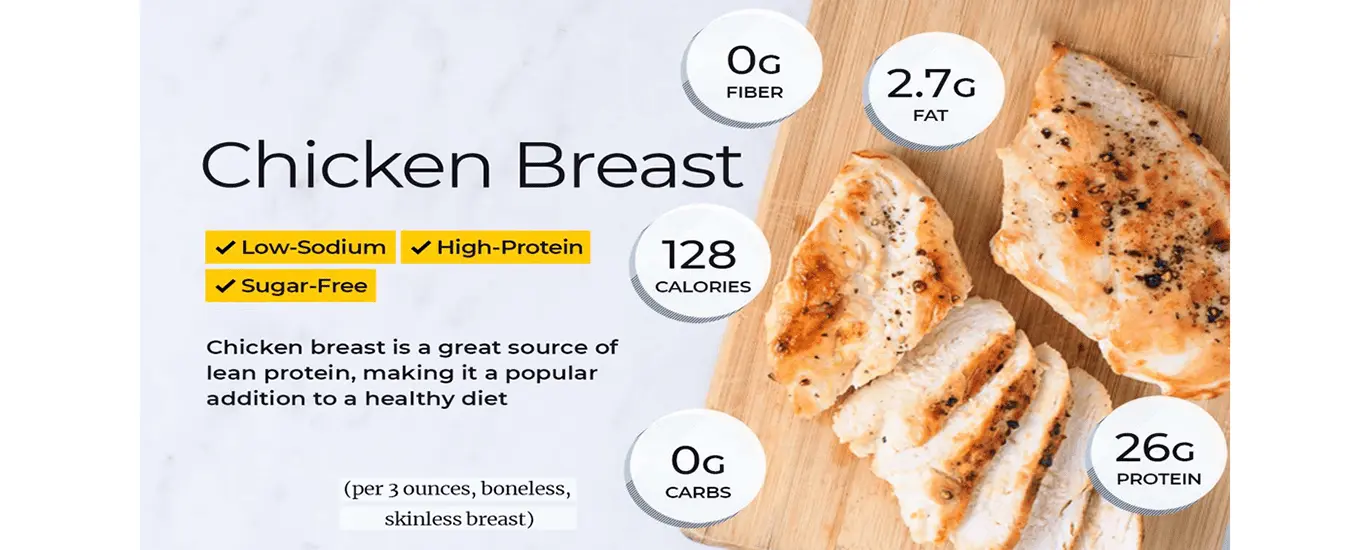
Chicken is one of the most widely consumed foods in the world, especially among people who focus on fitness and healthy eating. The protein in chicken is valued for its high quality, easy digestion, and ability to support muscle growth, weight control, and overall wellness. Because of its rich nutritional profile, chicken is often included in balanced diet plans.
This article explains the nutritional value of chicken protein, its health benefits, the best cuts to choose, ideal cooking methods, and recommended daily intake.
Why Protein in Chicken Is a Powerful Protein Source
Chicken provides complete protein, meaning it contains all nine essential amino acids the body cannot produce on its own. These amino acids are essential for muscle repair, tissue growth, and metabolic functions.
Reasons why Protein in Chicken Is Highly Effective
- High-quality amino acid profile
- Low carbohydrate content
- Easy to digest
- Supports lean muscle mass
- Suitable for daily consumption
Because of these qualities, chicken is often preferred over many other protein-rich foods.
Protein Content of Different Chicken Cuts
The amount of protein varies depending on the part of the chicken you choose. Selecting the right cut helps align your diet with your health goals.
Chicken Breast
- Around 31g protein per 100g
- Very low fat
- Ideal for muscle building and fat loss
- Most popular choice in fitness diets
Chicken Thighs
- 24–26g protein per 100g
- Slightly higher fat
- Juicier and more flavorful
- Suitable for calorie-dense meal plans
Chicken Drumsticks
- 23–24g protein per 100g
- Balanced protein and fat
- Good option for regular meals
Chicken Wings
- 20–22g protein per 100g
- Higher fat content
- Best consumed occasionally
👉 If your goal is lean nutrition, chicken breast remains the best option.
Nutritional Value of Chicken
Apart from protein, chicken supplies several essential vitamins and minerals that support overall health.
Key Nutrients Found in Chicken
- Vitamin B6 & B12 – supports brain function and energy production
- Niacin (Vitamin B3) – aids digestion and skin health
- Phosphorus – strengthens bones and teeth
- Selenium – boosts immunity and antioxidant protection
- Zinc – supports hormone balance and muscle recovery
This combination makes chicken a nutritionally balanced food for active lifestyles.
Health Benefits of Eating Chicken Regularly
1. Supports Muscle Growth and Recovery
Chicken protein helps repair muscle fibers damaged during exercise. Regular consumption leads to:
- Faster muscle recovery
- Increased strength
- Better physical performance
2. Aids in Weight Management
High-protein foods:
- Increase satiety
- Reduce hunger cravings
- Help control calorie intake
This makes chicken a smart choice for weight-loss diets.
3. Improves Bone Strength
Protein along with phosphorus supports bone density, lowering the risk of fractures and weakness.
4. Promotes Heart Health
Lean cuts of chicken:
- Contain less saturated fat
- Help maintain healthy cholesterol levels
- Support cardiovascular health
5. Strengthens the Immune System
Amino acids and micronutrients in chicken help the body fight infections and recover faster.
How Much Protein Do You Need Daily?
Protein requirements depend on age, body weight, and activity level.
Recommended Daily Protein Intake
- Sedentary adults: 0.8g per kg of body weight
- Physically active individuals: 1.2–1.6g per kg
- Muscle gain goals: 1.6–2.2g per kg
Example Calculation of Protein in Chicken
For a person weighing 70 kg aiming for muscle gain:
- Daily protein requirement: 112–140g
- Chicken breast required: 350–450g per day
Best Cooking Methods to Preserve Protein in chicken Quality
The way chicken is cooked affects its nutritional value.
Healthy Cooking Techniques
- Grilling
- Boiling
- Baking
- Steaming
- Air frying
Cooking Methods to Limit
- Deep frying
- Excessive oil cooking
- Cream-based sauces
💡 Using simple spices and minimal oil helps retain the nutritional benefits of chicken.
Protein in Chicken Compared to Other Foods
| Food Source | Protein per 100g |
|---|---|
| Chicken Breast | 31g |
| Fish | 22–25g |
| Eggs | 13g |
| Paneer | 18g |
| Lentils | 9g |
Chicken offers higher protein density compared to many everyday foods.
Who Can Include Chicken in Their Diet?
Chicken is suitable for:
- Fitness enthusiasts
- Athletes
- Office workers
- Teenagers
- Older adults
People with kidney-related or medical conditions should consult a healthcare professional before increasing protein intake.
Common Misconceptions About Protein in Chicken
❌ Chicken always leads to weight gain
✅ Lean cuts help support fat loss when cooked correctly.
❌ Chicken is hard to digest
✅ Chicken is one of the easiest proteins to digest.
❌ Chicken must be eaten every day
✅ A balanced and varied diet is always recommended.
Conclusion
The protein in it makes it one of the most reliable and effective dietary protein sources available. When chosen wisely and cooked using healthy methods, chicken supports muscle growth, weight management, and overall health.
Including chicken as part of a balanced diet can help you meet your daily protein needs without compromising nutrition or taste.