
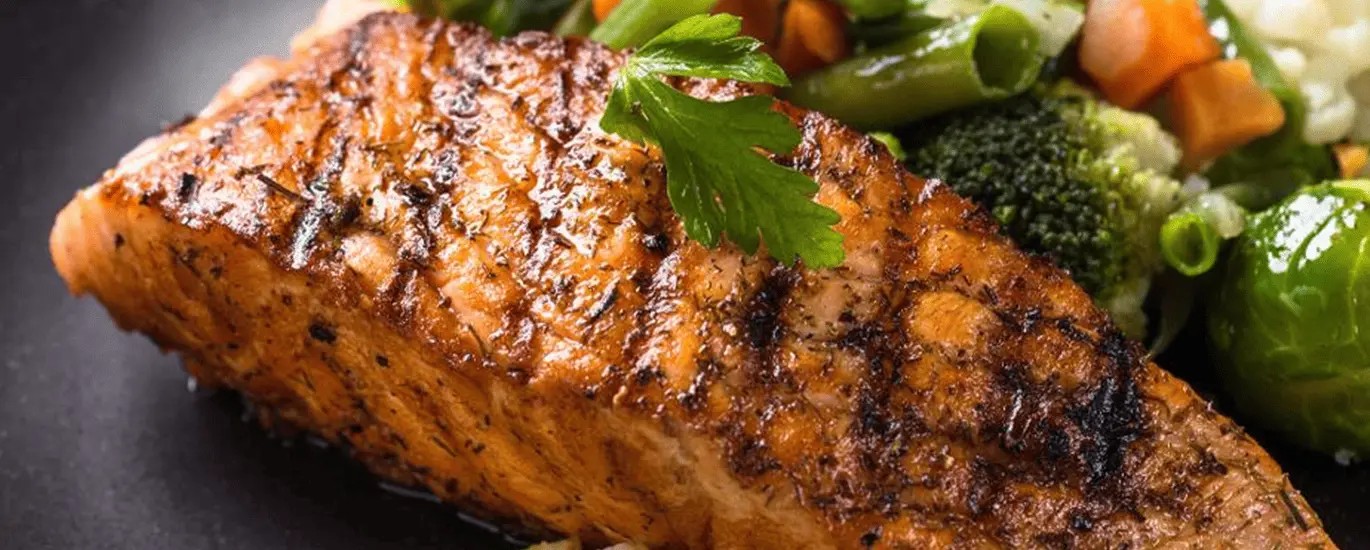
A non-veg diet is a dietary pattern that primarily includes meat, fish, eggs, and other animal-based foods. Unlike vegetarian diets, non-vegetarian eating provides high-quality protein, essential amino acids, vitamins, and minerals that are crucial for overall health. This guide will help you understand the benefits, types, and best practices of following a non-veg diet while keeping it healthy and balanced.
What is a Non-Veg Diet?
A non-veg diet refers to consuming animal-based foods as a significant part of your daily meals. This includes:
- Meat: Chicken, mutton, beef, pork
- Seafood: Fish, shrimp, crab, and other shellfish
- Eggs: Chicken eggs, duck eggs
- Dairy (optional in some non-veg diets): Milk, cheese, yogurt
People follow a non-veg diet for various reasons, including fitness, muscle building, enhanced nutrition, and personal preference.
Benefits of a Non-Veg Diet
Including non-vegetarian foods in your diet can offer numerous health benefits:
1. High-Quality Protein Source
Animal products provide complete proteins, which contain all essential amino acids necessary for muscle repair, growth, and overall body functions.
2. Rich in Vitamins and Minerals
- Vitamin B12: Found only in animal products; essential for nerve health and energy production.
- Iron: Heme iron from meat is easily absorbed by the body, preventing anemia.
- Zinc: Supports immunity and wound healing.
- Omega-3 Fatty Acids: Especially in fish, beneficial for heart and brain health.
3. Supports Muscle Growth
Athletes and fitness enthusiasts often prefer non-veg diets because meat and eggs help build lean muscle mass effectively.
4. Weight Management
Protein-rich non-veg foods keep you full longer, reducing overeating and supporting healthy weight management.
5. Better Brain Function
Omega-3 fatty acids, found in fatty fish like salmon and mackerel, improve cognitive function and memory.
Types of Non-Veg Diets
There are different patterns of non-vegetarian eating, depending on preference, culture, and health goals:
- Carnivore Diet: Focuses almost entirely on meat and animal products.
- Pescatarian Diet: Includes fish and seafood but avoids other meats.
- Omnivorous Diet: A balanced diet including meat, seafood, eggs, vegetables, fruits, and grains.
- High-Protein Non-Veg Diet: Emphasizes protein-rich meats and eggs for muscle growth and fitness.
Best Non-Veg Foods for Health
Not all non-veg foods are equal. Here’s a list of healthy options:
- Chicken: Low-fat, high-protein meat, ideal for lean muscle growth.
- Fish: Salmon, tuna, mackerel, sardines – rich in omega-3 fatty acids.
- Eggs: Affordable, nutrient-dense, and perfect for breakfast or snacks.
- Lean Red Meat: Beef or lamb in moderation; high in iron and B12.
- Seafood: Shrimp, crab, and oysters – excellent for zinc and minerals.
Tips: Opt for grilled, boiled, or baked forms instead of fried options to keep your diet healthy.
Non-Veg Diet Meal Planning
A well-structured non-veg diet ensures balanced nutrition. Here’s a sample plan:
Breakfast
- 2 boiled eggs or an omelet
- Whole-grain toast
- Fresh fruit
Lunch
- Grilled chicken breast or fish fillet
- Brown rice or quinoa
- Steamed vegetables
Snack
- Yogurt or cottage cheese
- Nuts like almonds or walnuts
Dinner
- Lean meat or seafood
- Mixed salad with olive oil dressing
- Optional: A small portion of whole grains
Tips for a Healthy Non-Veg Diet
- Moderation is key: Avoid overconsumption of red and processed meats.
- Balance with vegetables and grains: Include plant-based foods for fiber and antioxidants.
- Choose cooking methods wisely: Prefer grilling, baking, steaming, or boiling over frying.
- Include fatty fish twice a week: To meet omega-3 requirements.
- Stay hydrated: Water helps in digestion and nutrient absorption.
Common Myths About Non-Veg Diets
Myth 1: Non-Veg Diets Cause Heart Disease
Fact: Balanced consumption of lean meats and fish can actually support heart health. The key is avoiding excessive fried and processed meats.
Myth 2: Eggs Increase Cholesterol
Fact: Moderate egg consumption does not significantly affect blood cholesterol for most people and provides high-quality protein and essential nutrients.
Myth 3: Non-Veg Diets Are Bad for Weight Loss
Fact: High-protein non-veg diets can help in weight management by promoting satiety and boosting metabolism.