
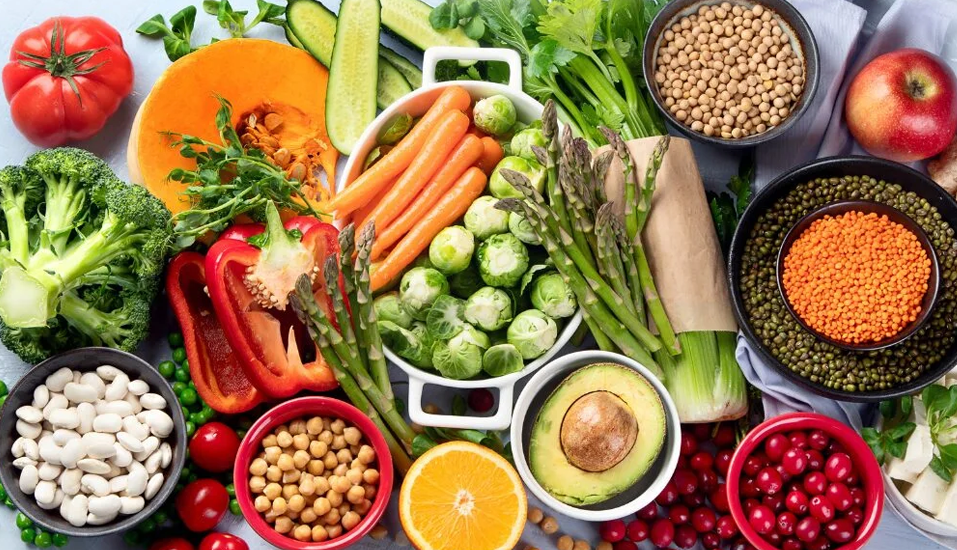
Diet Food: The Ultimate Guide to Healthy Eating and Weight Management
In today’s fast-paced world, maintaining a healthy lifestyle has become more important than ever. Diet food plays a crucial role in achieving optimal health, controlling weight, and preventing lifestyle-related diseases. Whether your goal is weight loss, muscle gain, or simply eating healthier, understanding diet food and its benefits can help you make smarter choices.
What is Diet Food?
Diet food refers to foods that are specifically chosen or designed to support health, fitness, and weight management goals. These foods are usually:
- Low in calories
- Nutrient-dense
- Rich in protein and fiber
- Low in unhealthy fats and sugars
Diet food is not about starving yourself; it’s about making balanced choices that fuel your body efficiently.
Benefits of Diet Food
Including diet-friendly foods in your daily meals provides several advantages:
1. Weight Management
Diet foods are typically lower in calories and high in nutrients, helping you maintain or reduce weight without feeling hungry.
2. Boosts Metabolism
Certain diet foods like green tea, spicy peppers, and lean proteins can increase your metabolic rate, helping your body burn more calories naturally.
3. Improves Digestion
High-fiber diet foods such as fruits, vegetables, and whole grains promote healthy digestion and prevent constipation.
4. Reduces Risk of Chronic Diseases
Eating a balanced diet reduces the risk of heart disease, diabetes, obesity, and hypertension.
5. Supports Fitness Goals
Protein-rich diet foods like eggs, lean meats, and legumes help in muscle building and recovery after workouts.
Types of Diet Foods
Diet foods can be categorized based on their nutritional benefits and purpose:
1. Low-Calorie Foods
Ideal for weight loss and calorie control. Examples:
- Leafy greens (spinach, kale)
- Cucumbers and zucchini
- Tomatoes and bell peppers
2. High-Protein Foods
Perfect for muscle gain and satiety. Examples:
- Eggs and egg whites
- Lean chicken or turkey
- Tofu, lentils, and beans
3. High-Fiber Foods
Aid digestion and keep you full for longer. Examples:
- Oats and whole grains
- Broccoli, carrots, and beans
- Fruits like apples, berries, and pears
4. Low-Carb Foods
Support ketogenic or low-carb diets. Examples:
- Cauliflower rice and zucchini noodles
- Avocados and nuts
- Lean meats and fish
5. Healthy Fats
Essential for energy and hormone balance. Examples:
- Olive oil and coconut oil
- Nuts and seeds
- Fatty fish like salmon and mackerel
Best Diet Foods to Include in Your Meals
Choosing the right diet foods is key for long-term health. Here’s a list of super diet foods:
- Leafy Greens: Spinach, kale, and lettuce are low-calorie and rich in vitamins.
- Eggs: Packed with protein and essential nutrients.
- Lean Meat & Fish: Chicken, turkey, salmon, and tuna support muscle growth.
- Whole Grains: Oats, quinoa, and brown rice provide energy and fiber.
- Fruits: Berries, apples, and citrus fruits for antioxidants.
- Vegetables: Broccoli, carrots, and bell peppers for vitamins and minerals.
- Nuts & Seeds: Almonds, walnuts, chia seeds, and flaxseeds for healthy fats.
- Legumes: Lentils, chickpeas, and black beans for plant-based protein.
- Low-Fat Dairy: Yogurt, milk, and cheese for calcium and protein.
- Herbs & Spices: Turmeric, ginger, and cinnamon for flavor and health benefits.
How to Plan a Diet-Friendly Meal
A proper meal plan ensures you get all essential nutrients while staying within your calorie goals.
Sample Diet Plan:
Breakfast:
- Oatmeal with berries and chia seeds
- Green tea or black coffee
Mid-Morning Snack:
- Apple or a handful of almonds
Lunch:
- Grilled chicken or tofu salad
- Quinoa or brown rice
- Steamed vegetables
Afternoon Snack:
- Greek yogurt or protein shake
Dinner:
- Grilled fish or lean meat
- Mixed vegetable stir-fry
- Small portion of whole grains
Tips: Drink plenty of water, avoid sugary drinks, and include at least one portion of protein in every meal.
Tips for Eating Diet Food Effectively
- Portion Control: Even healthy foods can lead to weight gain if eaten in excess.
- Avoid Processed Foods: Opt for natural, whole foods instead of packaged or fried items.
- Cook at Home: Homemade meals let you control ingredients, calories, and portion size.
- Balanced Nutrition: Include proteins, carbs, fats, and fiber in every meal.
- Regular Meals: Eat at consistent intervals to maintain metabolism and avoid overeating.
Common Myths About Diet Food
Myth 1: Diet Food is Boring
Fact: With creative recipes, spices, and herbs, diet food can be flavorful and enjoyable.
Myth 2: Diet Food Means Starving Yourself
Fact: Diet food focuses on nutrient density and satiety, not extreme restriction.
Myth 3: Only Vegetables Are Diet Food
Fact: Diet food includes fruits, lean meats, whole grains, and healthy fats as well.
Myth 4: Carbs are Bad
Fact: Complex carbs like oats, brown rice, and quinoa are essential for energy and are part of a healthy diet.