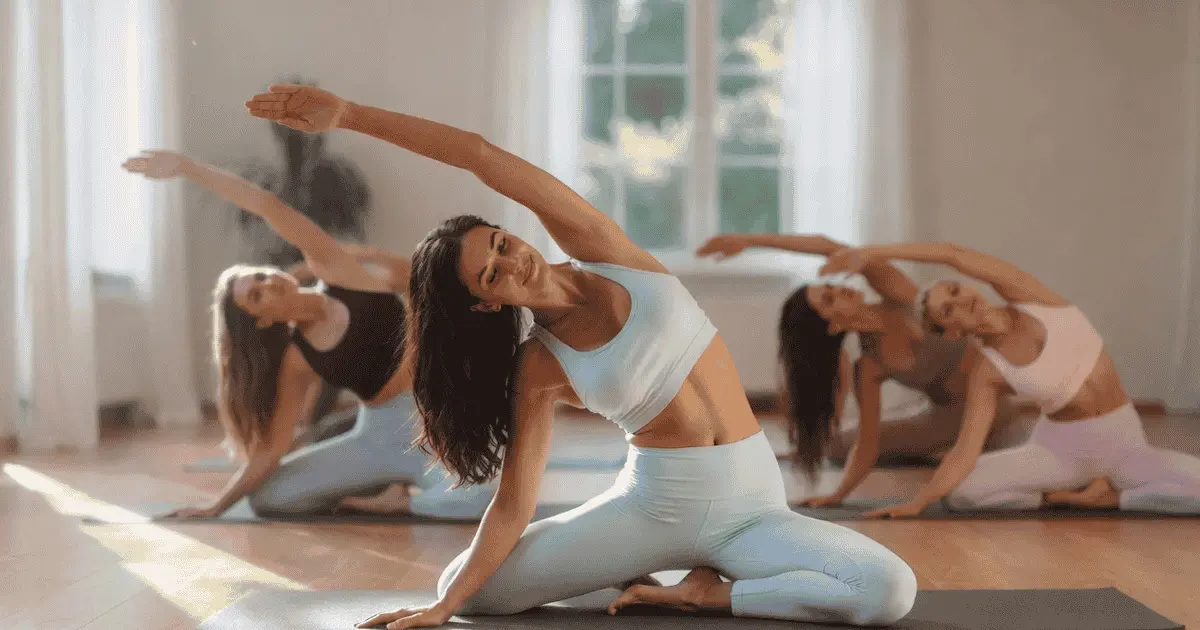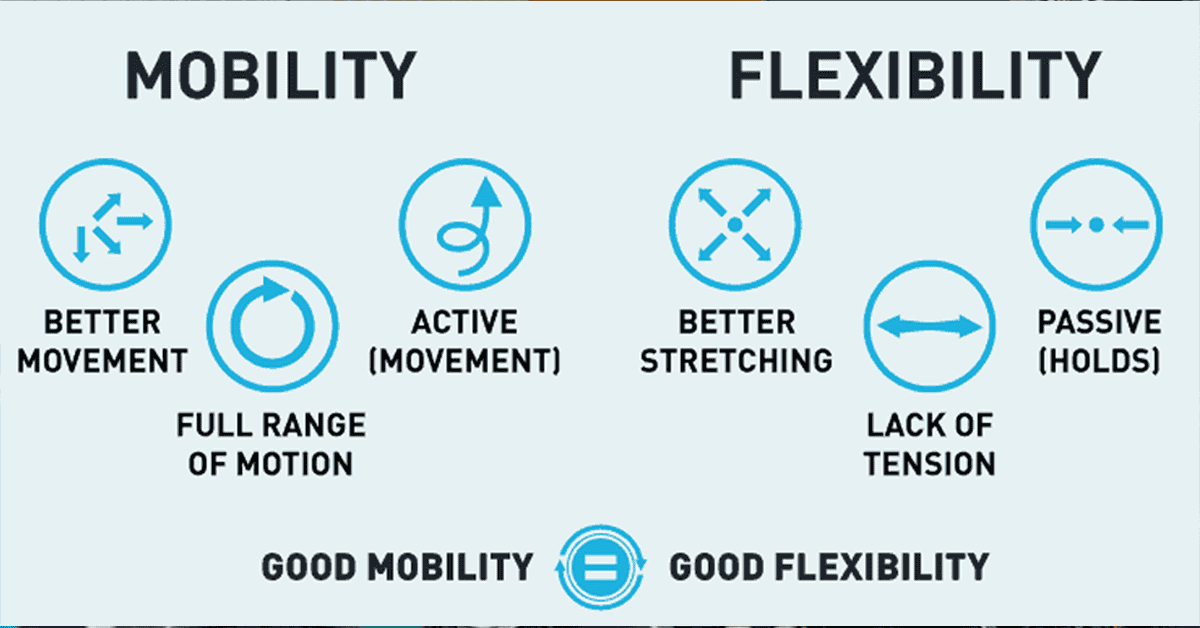

Modern lifestyles often involve long hours of sitting, limited movement, and constant screen use. Over time, this leads to stiff muscles, poor posture, and reduced mobility. This is where stretching exercises play a vital role. They help the body stay flexible, reduce muscular tension, and support pain-free movement.
Unlike intense workouts, stretching focuses on gentle muscle lengthening and controlled breathing. When practiced consistently, it improves both physical performance and daily comfort.
Understanding Muscle Stretching and Its Purpose
Stretching is the process of gradually lengthening muscles to improve their elasticity and range of motion. These movements allow joints to move freely while reducing tightness caused by inactivity or overuse.
Why muscle stretching matters:
- Supports smooth joint movement
- Reduces stiffness and soreness
- Enhances circulation
- Improves posture and balance
Practicing stretching exercises regularly keeps the body mobile and resilient.
Benefits of Regular Stretching Exercises
Flexibility training offers more than just loose muscles. It supports long-term health and improves how your body functions daily.
Key benefits include:
- Improved mobility for everyday activities
- Lower injury risk during workouts
- Better muscle coordination
- Reduced back and neck discomfort
- Enhanced athletic performance
When muscles remain flexible, the body moves more efficiently and with less strain.
Different Stretching Exercises Methods Explained
There are several effective ways to stretch muscles, each serving a different purpose depending on timing and goals.
Static Muscle Lengthening
Static stretching involves holding a position for a short duration while relaxing the muscle.
Best used for:
- Cooling down after workouts
- Improving long-term flexibility
- Relaxation and recovery
Dynamic Movement Preparation
Dynamic stretching uses controlled motions to prepare muscles for activity.
Ideal before physical activity because it:
- Increases blood flow
- Activates muscles
- Improves movement readiness
Active Control-Based Stretching Exercises
This method relies on muscle engagement rather than external force.
Advantages include:
- Improved muscle control
- Better posture support
- Strength at extended ranges
Simple Full-Body Stretching Exercises
A balanced routine ensures all major muscle groups receive attention.
Upper body focus:
- Neck side movements
- Shoulder opening stretch
- Chest expansion pose
Lower body focus:
- Hamstring release
- Thigh muscle stretch
- Ankle and calf mobility work
Back and core mobility:
- Spinal flexion and extension
- Gentle seated twists
- Relaxed forward bends
These movements make stretching exercises effective and well-rounded.
Safe Stretching Exercises Tips for Beginners
If you’re new to stretching, it’s important to move slowly and listen to your body.
Beginner-friendly guidelines:
- Warm up lightly before stretching
- Hold each position comfortably
- Avoid bouncing movements
- Maintain steady breathing
Stretching should feel relieving, not painful.
Mistakes That Reduce Stretching Benefits
Many people stretch incorrectly, limiting results or increasing injury risk.
Avoid these common errors:
- Stretching cold muscles
- Forcing deep positions
- Holding breath during stretches
- Ignoring flexibility work completely
Correct technique ensures stretching exercises remain safe and effective.
How Often Should Flexibility Work Be Done?
Consistency matters more than duration. Even short sessions can deliver results when done daily.
Recommended approach:
- Light stretching every day
- Dynamic movements before workouts
- Static stretches after activity
Over time, muscles adapt and flexibility improves naturally.
Mental Relaxation Through Stretching
Stretching isn’t just physical—it also supports mental calmness. Slow movements combined with deep breathing help relax the nervous system.
Mental benefits include:
- Reduced stress
- Improved focus
- Better sleep quality
This makes stretching ideal for morning routines or nighttime wind-downs.
Long-Term Impact on Joint and Muscle Health
As the body ages, stiffness increases and mobility decreases. Stretching helps slow this process and maintains independence.
Long-term advantages:
- Healthier joints
- Improved balance
- Reduced risk of falls
- Better quality of life
A consistent routine protects mobility for years to come.
Final Thoughts
Skipping flexibility work is one of the biggest fitness mistakes. Whether your goal is comfort, performance, or injury prevention, stretching exercises support a healthier, more mobile body.
Start gently, stay consistent, and allow your body time to adapt. Small daily efforts lead to lasting improvements.