A well-structured weight loss diet plan is the foundation of long-term fat loss and overall health. Many people fail to lose weight not because of a lack of effort, but because they follow unbalanced diets, extreme calorie cuts, or short-term plans that are impossible to maintain. This article explains how to create a healthy, effective, and sustainable weight loss diet that delivers real results without harming your body.
What Is a Weight Loss Diet Plan?
A weight loss diet plan is a structured approach to eating that helps your body burn excess fat while maintaining muscle mass, energy levels, and nutritional balance. Instead of starving the body, it focuses on calorie control, nutrient-dense foods, and consistency.
Key Goals of a Weight Loss Plan:
- Create a calorie deficit
- Improve metabolism
- Preserve lean muscle
- Control hunger and cravings
- Support long-term health
How a Weight Loss Diet Plan Works
The core principle behind any weight loss diet is simple: consume fewer calories than your body burns while meeting nutritional needs.
Important Factors That Influence Results:
- Food quality
- Meal timing
- Portion control
- Protein and fiber intake
- Hydration
When these factors are balanced, the body naturally shifts into fat-burning mode.
Essential Nutrients in a Weight Loss Diet Plan
A successful weight loss diet includes all major nutrients in the right proportion.
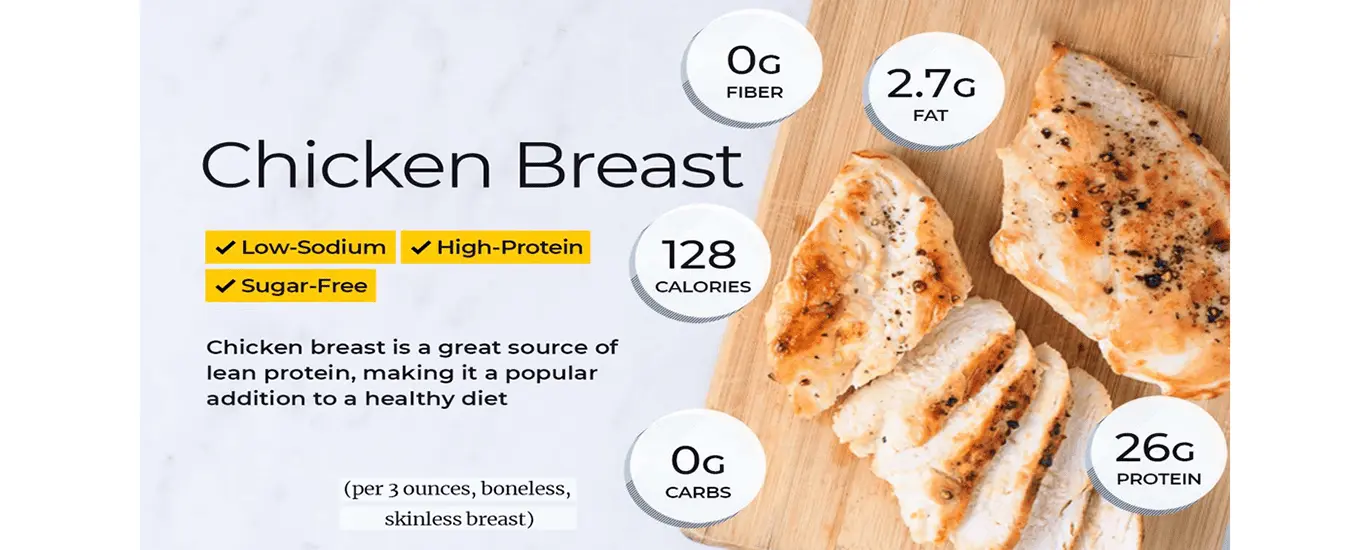
Protein
Protein is critical for fat loss because it:
- Reduces hunger
- Preserves muscle mass
- Increases calorie burn during digestion
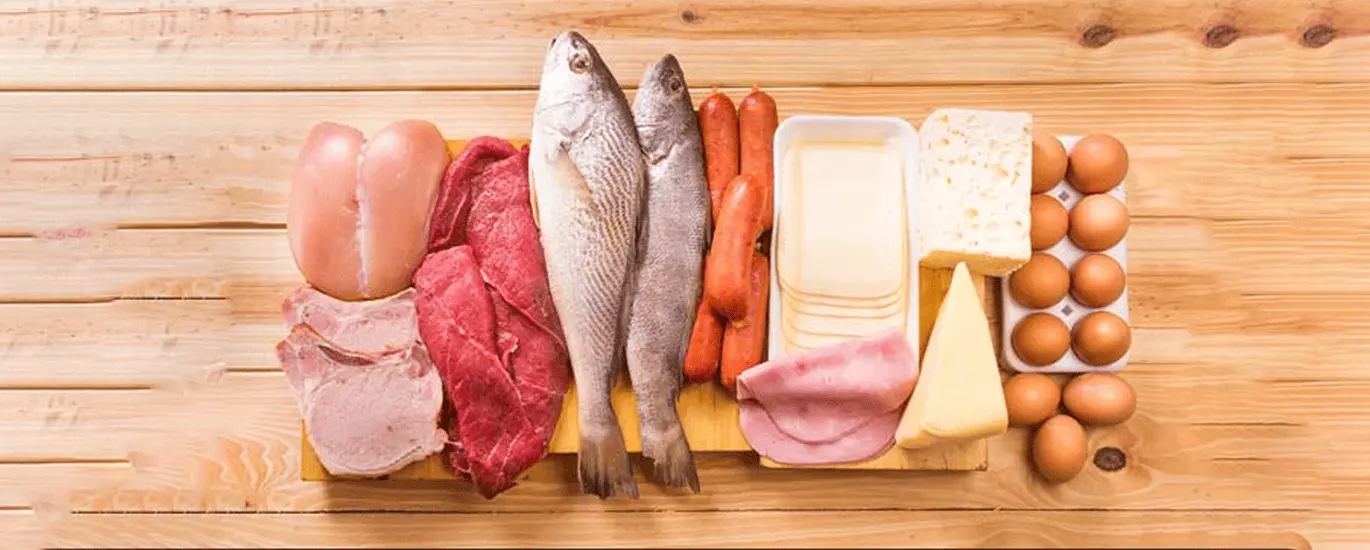
Protein sources: eggs, chicken, fish, lentils, paneer, tofu
Carbohydrates
Carbs provide energy and should come from complex sources.
Healthy carb options:
- Whole grains
- Fruits
- Vegetables
- Millets
Fats
Healthy fats support hormones and prevent overeating.
Good fat sources:
- Nuts and seeds
- Olive oil
- Avocado
- Ghee (in moderation)
Sample Daily Weight Loss Diet Plan
Below is a balanced weight loss diet suitable for most adults.
Morning (Empty Stomach)
- Warm water with lemon
- Soaked almonds or walnuts
Breakfast
- Boiled eggs or vegetable omelette
- Oats or whole-grain toast
- Fruit serving
Mid-Morning Snack
- Green tea or black coffee
- Fruit or yogurt
Lunch
- Grilled chicken or dal
- Brown rice or roti
- Mixed vegetables
- Salad with lemon dressing
Evening Snack
- Roasted chana or nuts
- Herbal tea
Dinner
- Light protein-rich meal
- Steamed vegetables
- Soup or salad
This structure helps maintain a steady metabolism throughout the day.
Foods to Include in a Weight Loss Diet Plan
Including the right foods improves results and consistency.
Best Foods for Weight Loss
- Leafy green vegetables
- Lean protein sources
- Whole grains
- Low-fat dairy
- Seasonal fruits
These foods are nutrient-dense and low in calories, making them ideal for fat loss.
Foods to Avoid in a Weight Loss Diet Plan
To maximize results, limit or avoid:
- Sugary drinks
- Deep-fried foods
- Refined flour
- Packaged snacks
- Excess alcohol
Eliminating these foods helps prevent fat storage and cravings.
Importance of Portion Control
Even healthy foods can slow progress if portions are uncontrolled.
Simple Portion Control Tips
- Use smaller plates
- Eat slowly
- Stop eating when 80% full
- Avoid distractions during meals
Portion control plays a major role in any weight loss.
Hydration and Weight Loss
Water supports digestion, fat metabolism, and appetite control.
Hydration Guidelines
- Drink 2.5–3 liters daily
- Have water before meals
- Avoid sugary beverages
Proper hydration enhances the effectiveness of your weight loss.
Meal Timing and Frequency
Meal timing affects hunger and energy levels.
Best Practices
- Eat every 3–4 hours
- Avoid late-night heavy meals
- Maintain consistent meal timings
This prevents overeating and stabilizes blood sugar levels.
Common Mistakes in a Weight Loss Diet Plan
Avoid these common errors:
- Skipping meals
- Extreme calorie restriction
- Cutting entire food groups
- Relying on supplements
- Ignoring protein intake
Sustainable weight loss focus on balance, not extremes.
Lifestyle Habits That Support Weight Loss
Diet works best when combined with healthy habits.
Supportive Lifestyle Changes
- Regular physical activity
- Quality sleep (7–8 hours)
- Stress management
- Consistency over perfection
These habits amplify the results of your weight loss.
How Fast Should You Lose Weight?
Healthy weight loss is gradual.
Recommended Rate
- 0.5 to 1 kg per week
- Focus on fat loss, not just scale weight
Slow and steady progress leads to lasting success.
Final Thoughts on Weight Loss Diet Plan
A successful weight loss diet plan is not about restriction—it’s about smart food choices, discipline, and consistency. When you nourish your body properly and follow a realistic plan, fat loss becomes a natural outcome rather than a struggle.
Instead of chasing shortcuts, commit to a balanced weight loss diet that fits your lifestyle and supports long-term health.