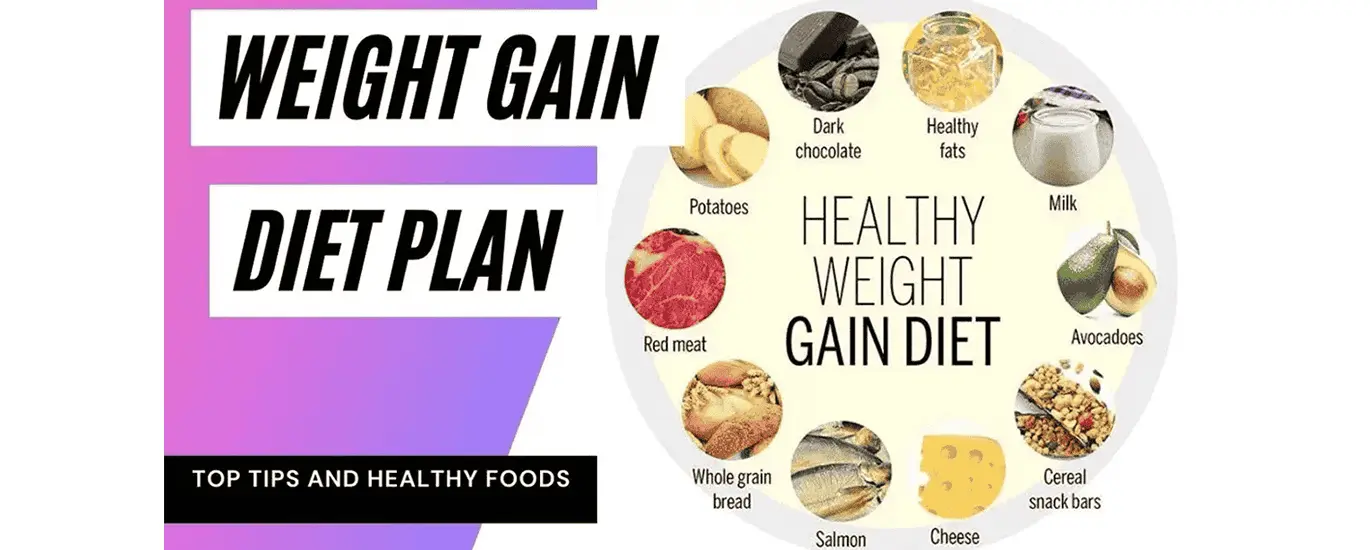
Gaining body weight in a healthy and controlled manner requires more than just eating extra food. A smart weight gain diet focuses on the right balance of calories, protein, carbohydrates, and healthy fats so that most of the added weight comes from lean muscle, not unhealthy fat.
This detailed guide explains how to gain weight naturally using plant-based foods, smart meal planning, and lifestyle habits that support long-term results.
Understanding the Basics of a Weight Gain Diet
A successful weight gain strategy depends on one core principle:
You must consume more calories than your body burns.
However, quality matters just as much as quantity.
Key Goals of a Proper Weight Gain Diet
- Increase overall body mass
- Support muscle recovery and growth
- Improve energy levels
- Maintain digestive health
Eating randomly or relying on junk food may increase weight, but it can damage health and lead to fat accumulation instead of strength.
Calorie Surplus: The Foundation of Weight Gain
To gain weight, your body needs a consistent calorie surplus.
How Much Extra to Eat
- Beginners: +300 calories/day
- Hard gainers: +500 calories/day
This slow approach ensures clean weight gain and minimizes fat storage.
Importance of Protein in Weight Gain
Protein is essential for muscle repair, growth, and strength development. Without adequate protein, extra calories won’t convert into muscle.
High-Protein Plant-Based Foods
- Paneer (cottage cheese)
- Tofu and soy products
- Lentils, beans, and chickpeas
- Milk, curd, and yogurt
- Nuts and seeds
👉 Aim for 1.6–2 grams of protein per kg of body weight daily for optimal results.
Role of Carbohydrates in Healthy Weight Gain
Carbohydrates are the body’s primary energy source. They fuel workouts and help store glycogen in muscles, making them appear fuller and stronger.
Best Carb Sources for Weight Gain
- Brown rice
- Whole wheat roti
- Oats
- Sweet potatoes
- Quinoa
- Millets
Choose complex carbohydrates to maintain stable energy and better digestion.
Healthy Fats: Easy Calories That Matter
Fats are calorie-dense and play a major role in increasing total intake without feeling overly full.
Top Healthy Fat Sources
- Peanut butter
- Almonds, cashews, walnuts
- Seeds (chia, flax, pumpkin)
- Ghee
- Olive oil
- Avocados
Adding fats to meals is one of the simplest ways to boost calories.
Fruits That Support Weight Gain
Some fruits are rich in natural sugars, fiber, and calories, making them ideal for mass gain.
- Bananas
- Mangoes
- Dates
- Raisins
- Chikoo
- Papaya
These fruits are perfect for snacks and smoothies.
Sample Daily Weight Gain Meal Structure
Early Morning
- Warm milk
- Soaked almonds and dates
Breakfast
- Oats cooked in milk
- Banana with peanut butter
- Fruit smoothie
Mid-Morning Snack
- Fruit bowl with nuts and seeds
- Bowl of curd
Lunch
- Brown rice or roti
- Dal or beans
- Paneer or tofu curry
- Salad with olive oil
Evening Snack
- Peanut butter sandwich
- Handful of mixed nuts
Dinner
- Quinoa or roti
- Mixed vegetable curry
- Paneer or soy-based dish
- Bowl of curd
Before Bed
- Glass of warm milk
This structure helps maintain steady calorie intake throughout the day.
Homemade High-Calorie Weight Gain Shake
Liquid calories are easy to consume and digest.
Ingredients
- 1 banana
- 1 cup milk
- 2 tbsp peanut butter
- 1 tbsp oats
- 4–5 soaked almonds
Blend all ingredients well.
This shake delivers 400–500 quality calories in one serving.
Strength Training: A Must for Quality Weight Gain
Diet alone cannot guarantee healthy results. Strength training ensures calories are used to build muscle instead of fat.
Recommended Exercises
- Squats
- Deadlifts
- Push-ups
- Bench press
- Shoulder press
Train 3–5 days per week with progressive overload.
Lifestyle Habits That Support Weight Gain
1. Proper Sleep
- Aim for 7–9 hours of sleep
- Muscle growth happens during rest
2. Stay Hydrated
- Drink enough water, but avoid excess before meals
3. Consistency
- Follow your diet daily, not occasionally
Common Mistakes That Slow Progress
Avoid these frequent errors:
- ❌ Skipping meals
- ❌ Relying on processed junk food
- ❌ Not tracking calorie intake
- ❌ Ignoring protein needs
- ❌ Avoiding resistance training
Correcting these mistakes can dramatically improve results.
How Long Does Healthy Weight Gain Take?
Healthy progress is gradual.
- 0.5–1 kg per month is ideal
- Faster gain usually leads to fat accumulation
Patience and discipline are key.
Final Thoughts on a Healthy Weight Gain Diet
A well-structured weight gain diet built around plant-based foods can deliver excellent results when followed consistently. By focusing on calorie surplus, protein-rich meals, complex carbohydrates, and healthy fats, you can gain weight naturally and safely.
Combine proper nutrition with regular strength training, good sleep, and consistency, and your body will respond positively over time.