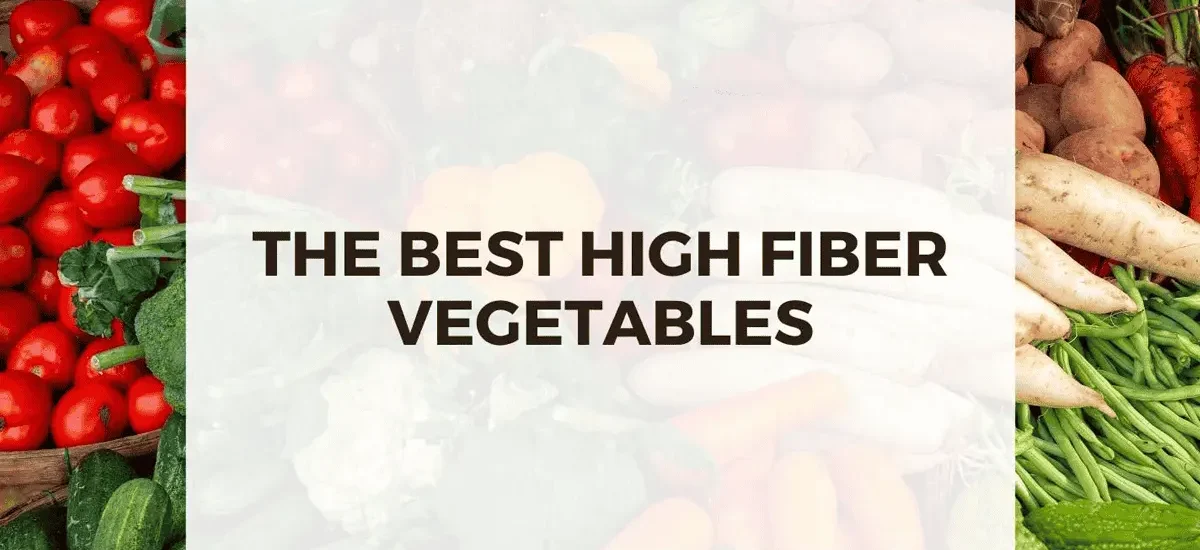
A healthy body starts with a healthy digestive system, and one of the most effective ways to improve digestion is by consuming high fiber vegetables. In today’s lifestyle, where processed foods dominate daily meals, fiber intake is often ignored. However, adding fiber-rich vegetables can significantly improve gut health, weight management, heart health, and immunity.
This article explains what high fiber vegetable are, why they are important, and how you can include them in your daily diet for long-term health benefits.
What Are High Fiber Vegetables?
High fiber vegetables are vegetables that contain a large amount of dietary fiber per serving. Fiber is a plant-based nutrient that the body cannot fully digest, yet it plays a crucial role in maintaining digestive health.
There are two main types of dietary fiber found in vegetables:
- Soluble fiber – dissolves in water and helps control cholesterol and blood sugar
- Insoluble fiber – adds bulk to stool and supports regular bowel movements
Most vegetables contain a healthy mix of both, making them an essential part of a balanced diet.
Why Are High Fiber Vegetables Important?
Eating enough fiber every day provides several health benefits. In fact, diets rich in high fiber vegetable are linked to lower risks of many lifestyle diseases.
Key Benefits of Dietary Fiber
- Improves digestion and prevents constipation
- Supports weight loss by increasing fullness
- Regulates blood sugar levels, ideal for diabetics
- Reduces bad cholesterol (LDL)
- Strengthens gut bacteria, improving immunity
Therefore, including fiber-rich vegetables in meals is essential for overall well-being.
Top High Fiber Vegetables You Should Include in Your Diet
Below are some of the best high fiber vegetable that are easy to find and simple to cook.
1. Broccoli
Broccoli is one of the most popular fiber-rich vegetable and is loaded with vitamins and antioxidants.
- Fiber content: 2.6 g per 100 g
- Supports digestive and heart health
- Helps reduce inflammation
2. Carrots
Carrots are affordable, versatile, and rich in dietary fiber.
- Fiber content: 2.8 g per 100 g
- Improves digestion
- Promotes eye health
3. Spinach
Spinach is low in calories but high in fiber and essential minerals.
- Fiber content: 2.2 g per 100 g
- Supports gut health
- Helps in detoxification
4. Green Peas
Green peas are an excellent source of plant-based fiber and protein.
- Fiber content: 5.1 g per 100 g
- Keeps you full for longer
- Supports weight loss
5. Brussels Sprouts
These vegetables are small but extremely rich in fiber.
- Fiber content: 3.8 g per 100 g
- Improves digestion
- Supports heart health
6. Sweet Potatoes
Sweet potatoes contain complex carbohydrates and fiber, making them very filling.
- Fiber content: 3 g per 100 g
- Helps control blood sugar
- Promotes gut health
Health Benefits of High Fiber Vegetables
Including high fiber vegetable in your daily meals can positively affect your health in many ways.
1. Better Digestive Health
Fiber helps food move smoothly through the digestive tract. As a result, it prevents constipation, bloating, and irregular bowel movements.
2. Supports Weight Loss
Fiber slows digestion and keeps you full for longer. Therefore, it reduces overeating and unhealthy snacking.
3. Improves Heart Health
Soluble fiber binds with cholesterol and removes it from the body, lowering the risk of heart disease.
4. Controls Blood Sugar Levels
Fiber slows sugar absorption, making high fiber vegetables ideal for people with diabetes.
5. Strengthens Gut Microbiome
Fiber feeds good gut bacteria, improving immunity, digestion, and nutrient absorption.
How Much Fiber Do You Need Daily?
According to nutrition guidelines:
- Men: 30–38 grams of fiber per day
- Women: 21–25 grams of fiber per day
By eating a variety of high fiber vegetable, you can easily meet these daily requirements.
Best Ways to Eat High Fiber Vegetables
Adding fiber-rich vegetables to your diet does not need to be complicated. Here are some simple methods:
- Add vegetables to salads and wraps
- Eat steamed or sautéed vegetable with meals
- Include vegetables in soups and curries
- Snack on raw carrots or cucumbers
- Replace refined carbs with vegetable-based dishes
Consistency is key for visible health improvements.
Cooking Tips to Retain Fiber in Vegetables
Incorrect cooking methods can reduce fiber content. Follow these tips:
- Prefer steaming or light sautéing
- Avoid overcooking vegetables
- Eat some vegetables raw or lightly cooked
- Use minimal water while boiling
These methods help preserve fiber and nutrients.
Common Mistakes to Avoid When Eating Fiber
While fiber is beneficial, mistakes can cause discomfort.
Avoid the following:
- Increasing fiber intake too quickly
- Drinking insufficient water
- Eating the same vegetable daily
- Ignoring portion balance
Gradually increase fiber intake to avoid gas and bloating.
Best High Fiber Vegetables for Weight Loss
If weight loss is your goal, prioritize these low-calorie, high fiber vegetable:
- Broccoli
- Spinach
- Cabbage
- Zucchini
- Cauliflower
These vegetables help reduce calorie intake while keeping you full.
Final Conclusion
Including high fiber vegetables in your daily diet is one of the simplest and most effective ways to improve overall health. From supporting digestion and weight loss to enhancing heart and gut health, fiber-rich vegetables provide long-term benefits.
Start by adding small portions daily, stay consistent, and choose a variety of vegetables to enjoy a healthier and more active lifestyle