

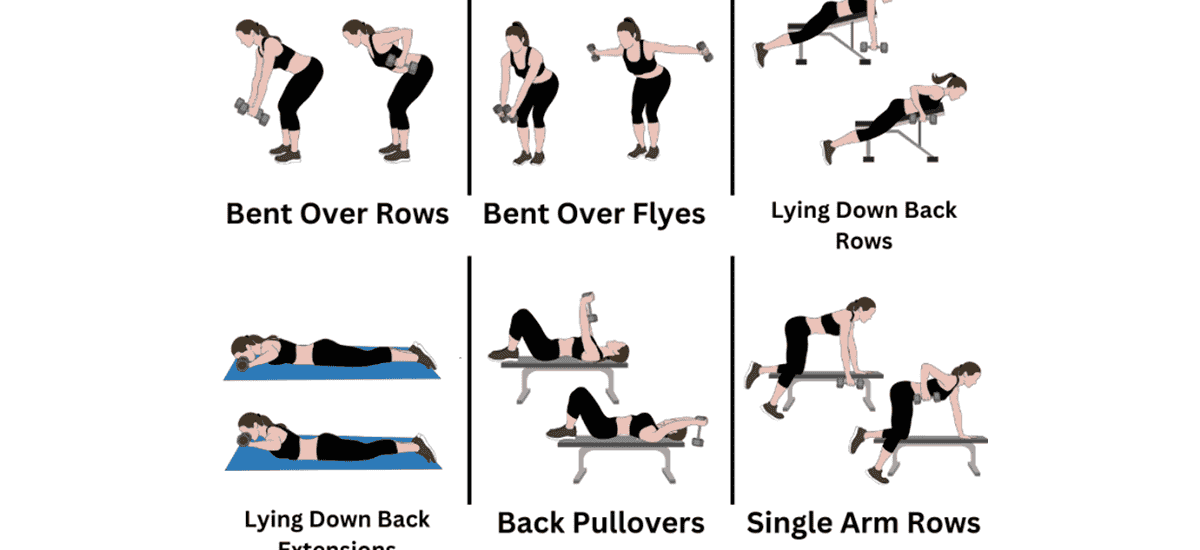
A strong and well-developed back is the foundation of a powerful physique. Many people focus on chest, arms, or abs, but training your back is just as important for strength, posture, and injury prevention. A properly designed back workout helps improve overall fitness, supports the spine, and enhances performance in both gym exercises and daily activities.
This guide explains everything you need to know about training your back, including muscle anatomy, benefits, effective exercises, a structured workout plan, nutrition tips, and common mistakes to avoid.
Importance of Training Your Back
Your back muscles are involved in almost every upper-body movement. Neglecting them can lead to poor posture, muscle imbalance, and long-term pain.
Benefits of Back Workout
- Improves posture and spinal alignment
- Reduces risk of lower back pain
- Increases pulling strength
- Enhances overall muscle balance
- Builds a wider and thicker upper body
A balanced fitness routine always includes dedicated exercises for the back to ensure long-term strength and stability.
Back Muscle Anatomy Explained Simply
Understanding the muscles involved helps you train more effectively and safely.
Major Muscles of the Back
- Latissimus Dorsi: Creates back width and the V-shape look
- Trapezius: Supports shoulder and neck movement
- Rhomboids: Help retract shoulder blades and improve posture
- Erector Spinae: Stabilizes the spine and supports heavy lifting
- Teres Muscles: Assist shoulder rotation and control
An effective routine targets all these muscles rather than focusing on only one area.
Best Exersices for a Stronger Back
Using the right mix of compound and isolation movements is key for development.
Compound Movements
- Deadlift
- Pull-ups
- Barbell row
- Lat pulldown
- T-bar row
Isolation Movements
- Seated cable row
- One-arm dumbbell row
- Face pulls
- Back extensions
- Straight-arm pulldown
Combining these exercises ensures both strength and muscle growth.
Back Workout Plan for All Fitness Levels
Below is a structured plan designed for beginners, intermediate lifters, and advanced trainees.
Beginner Back Workout Plan
Perform 1–2 times per week.
- Lat pulldown – 3 sets of 10–12 reps
- Seated cable row – 3 sets of 10 reps
- Dumbbell row – 3 sets of 10 reps per side
- Back extensions – 2 sets of 15 reps
Focus on proper form and controlled movements rather than heavy weights.
Intermediate Back Workout Plan
- Pull-ups – 4 sets to failure
- Barbell row – 4 sets of 8–10 reps
- Wide-grip lat pulldown – 3 sets of 12 reps
- Face pulls – 3 sets of 15 reps
- Hyperextensions – 3 sets of 12 reps
Increase weights gradually to apply progressive overload.
Advanced Back Workout Plan
- Deadlift – 5 sets of 5 reps
- Weighted pull-ups – 4 sets of 8 reps
- T-bar row – 4 sets of 10 reps
- Single-arm dumbbell row – 3 sets of 12 reps
- Straight-arm pulldown – 3 sets of 15 reps
This routine emphasizes thickness, width, and overall strength.
Home Back Workout Without Equipment
You can still train your back effectively at home using bodyweight movements.
Home Exercises
- Pull-ups using a door bar
- Inverted rows
- Superman holds
- Resistance band rows
- Reverse snow angels
Consistency matters more than gym access.
Common Mistakes to Avoid
Avoid these errors to get better results and prevent injury:
- Lifting too heavy with poor form
- Using arms instead of engaging back muscles
- Skipping warm-up sets
- Ignoring lower back exercises
- Training back too infrequently
Proper technique and mind-muscle connection are essential for progress.
Tips for Better Results
Follow these proven tips to improve your training:
- Warm up before heavy lifting
- Use controlled reps and full range of motion
- Squeeze muscles at peak contraction
- Allow proper recovery between sessions
- Stay consistent with your routine
Small improvements over time lead to long-term gains.
Nutrition for Back Muscle Growth
Training alone is not enough. Nutrition plays a major role in recovery and growth.
Essential Nutrients for Muscle Growth
- Protein: Supports muscle repair
- Carbohydrates: Provides workout energy
- Healthy fats: Helps hormone balance
- Water: Improves performance and recovery
A balanced diet complements your training efforts.