
A vegetarian lifestyle is more than just avoiding meat—it is a conscious choice that emphasizes plant-based foods to support overall health, fitness, and well-being. With growing awareness about nutrition, sustainability, and disease prevention, the veg diet has emerged as one of the most widely followed eating patterns across the world.
This guide explains what a vegetarian eating pattern is, its benefits, food options, meal planning ideas, and how to maintain balanced nutrition without deficiencies.
What Is a Vegetarian Eating Pattern?
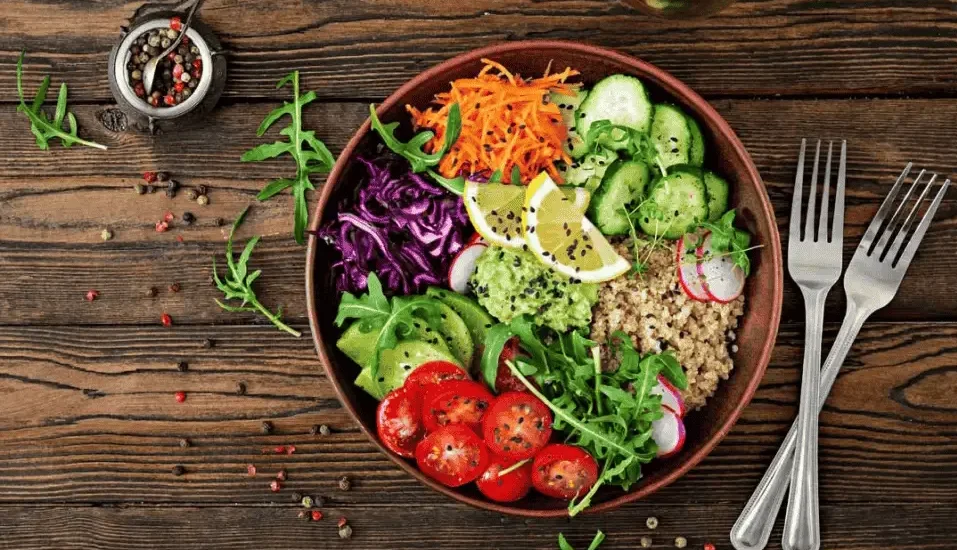
A veg diet primarily includes foods derived from plants such as vegetables, fruits, grains, legumes, nuts, seeds, and dairy products. It excludes meat, fish, and poultry while focusing on natural and minimally processed foods.
Types of Veg Diet
- Lacto-vegetarian – Includes dairy, excludes eggs and meat
- Ovo-vegetarian – Includes eggs, excludes dairy and meat
- Lacto-ovo vegetarian – Includes both dairy and eggs
- Vegan – Excludes all animal-derived products
Each variation can be healthy when meals are well planned and nutritionally balanced.
Why Choose a veg diet?
People adopt a vegetarian diet for multiple reasons such as better health, weight control, ethical beliefs, religious practices, and environmental concerns.
Key Reasons to Follow veg diet
- Improved heart health
- Better digestion
- Effective weight management
- Ethical and eco-friendly choice
- Lower risk of chronic diseases
Health Benefits of veg diet
1. Supports Heart Health
Plant-based meals are naturally low in saturated fat and cholesterol. A veg diet rich in fruits, vegetables, and whole grains helps reduce LDL cholesterol and supports cardiovascular health.
2. Helps with Weight Management
Vegetarian foods are generally:
- Lower in calories
- High in dietary fiber
- More filling
This makes a vegetarian diet suitable for long-term and sustainable weight loss.
3. Improves Digestion and Gut Health
Fiber-rich foods like fruits, vegetables, and legumes:
- Improve bowel movements
- Prevent constipation
- Support healthy gut bacteria
4. Reduces Risk of Lifestyle Diseases
Research shows that people following a veg diet have a lower risk of:
- Type 2 diabetes
- High blood pressure
- Obesity
- Certain cancers
Essential Nutrients in a Veg diet
A well-planned vegeterian diet can provide all essential nutrients when the right food combinations are included.
1. Protein
Protein is vital for muscle repair, immunity, and metabolism.
High-Protein Vegetarian Foods
- Lentils (dal)
- Chickpeas
- Kidney beans (rajma)
- Paneer
- Tofu and soy products
- Greek yogurt
- Nuts and seeds
2. Iron
Plant-based iron should be combined with vitamin C for better absorption.
Iron-Rich Foods
- Spinach
- Beetroot
- Lentils
- Dates and raisins
- Pumpkin seeds
3. Calcium
Calcium plays a key role in bone and dental health.
Vegetarian Calcium Sources
- Milk and curd
- Paneer
- Sesame seeds
- Almonds
- Green leafy vegetables
4. Vitamin B12
Vitamin B12 is limited in plant foods, so fortified foods or supplements may be required.
Sources Include
- Fortified cereals
- Dairy products
- Nutritional yeast
- Supplements (if advised)
Veg diet Foods List
Vegetables
- Spinach
- Carrot
- Broccoli
- Cabbage
- Cauliflower
Fruits
- Apple
- Banana
- Orange
- Papaya
- Berries
Grains and Cereals
- Brown rice
- Oats
- Quinoa
- Whole wheat roti
Protein Sources
- Dal
- Rajma
- Chole
- Paneer
- Tofu
Healthy Fats
- Nuts
- Seeds
- Olive oil
- Ghee (in moderation)
Sample veg diet Meal Plan
Morning
- Warm water with lemon
- 5–6 soaked almonds
Breakfast
- Vegetable oats or paneer paratha
- Green tea or milk
Mid-Morning Snack
- Fruit bowl or coconut water
Lunch
- Whole wheat rotis
- Dal or rajma
- Seasonal vegetables
- Curd
Evening Snack
- Roasted makhana or sprouts chaat
Dinner
- Vegetable khichdi or paneer sabzi
- Fresh salad
Before Bed
- Warm turmeric milk (optional)
This structure supports a balanced vegetarian diet throughout the day.
Veg diet Eating for Weight Loss
A vegetarian diet can be highly effective for fat loss when portion size and food quality are controlled.
Practical Weight-Loss Tips
- Avoid fried and packaged foods
- Increase protein intake
- Eat more vegetables and salads
- Reduce sugar and refined carbohydrates
- Stay well hydrated
Common Mistakes to Avoid while using veg diet
Many people follow a vegetarian diet but face health issues due to poor food choices.
Frequent Errors
- Excess carbohydrate intake
- Neglecting protein
- Too much dairy
- Skipping meals
- Relying on junk vegetarian foods
Veg diet for Fitness and Muscle Building
Contrary to popular myths, muscle building is possible with a properly planned vegetarian diet.
Best Plant-Based Foods for Muscle Gain
- Paneer
- Tofu
- Lentils
- Chickpeas
- Peanut butter
- Plant-based protein supplements
Combining strength training with adequate protein improves results significantly.
Is a veg diet Lifestyle Suitable for Everyone?
Yes, a balanced vegetarian diet can be followed by:
- Children
- Adults
- Elderly individuals
- Athletes
Proper planning, nutrient balance, and regular health monitoring are essential to prevent deficiencies.